Table of Contents
- How Often Tech Deals Are Updated Across Retailers
- Flash Sales vs. Seasonal Discounts: Update Frequency Explained
- Best Time to Buy Electronics: Seasonal Patterns and Release Cycles
- Tech Deal Alert Tools and Price Tracking Mechanics
- How to Find Reliable Tech Deals Without Overpaying
- Common Mistakes When Hunting for Tech Discounts
- Frequently Asked Questions
Last Updated: September 2, 2026
How Often Tech Deals Are Updated Across Retailers
Tech deals refresh constantly, but the frequency varies dramatically depending on where you shop. Major retailers like Amazon update their deals multiple times daily, while seasonal sales events follow predictable annual cycles. Understanding this rhythm is essential if you want to catch genuine discounts rather than chasing phantom savings.
The reality is that tech deals updated on different schedules reflect different business strategies. Flash sales might appear and disappear within hours. Clearance markdowns persist for weeks. New product launches trigger price drops on older models. At Greenmatrax.com, we track these patterns to help you understand when to look and what to expect.
Most retailers operate on three distinct deal cycles: daily flash sales, weekly promotional events, and seasonal clearances. Amazon, Best Buy, and Walmart refresh their lightning deals every 6-12 hours (the FTC). Costco and warehouse clubs typically update their tech section weekly. E-commerce platforms like Newegg and B&H Photo follow their own unpredictable schedules based on inventory and supplier relationships.
The key insight most shoppers miss is that timing matters less than understanding the mechanics behind each deal type. A flash sale that ends in four hours creates artificial urgency. A seasonal clearance that lasts three weeks gives you actual shopping flexibility. Knowing the difference changes how you hunt for value.
Set alerts for the specific deal types you care about, not just price drops. Flash sales reward speed; seasonal discounts reward patience. Mixing these strategies wastes your time.
Flash Sales vs. Seasonal Discounts: Update Frequency Explained
Flash sales and seasonal discounts operate on completely different timelines, and conflating them is a common mistake that costs shoppers real money.
Flash sales are time-limited offers that refresh frequently throughout the day. Amazon’s Lightning Deals, Best Buy’s Deals of the Day, and Walmart’s rollback specials typically change every 6-12 hours. These deals are designed to create urgency and drive traffic. Once they expire, they’re gone, sometimes for weeks, sometimes permanently. The discount itself is often modest (10-20% off), but the scarcity is real.
Seasonal discounts follow predictable patterns tied to shopping events and product release cycles. Back-to-school sales happen in August. Holiday discounts peak from November through December. Summer clearances run in July and August. These discounts last days or weeks, not hours, and they’re often deeper than flash sales (20-50% off). The catch is that inventory is limited, and popular items sell out first.
The psychological difference matters. Flash sales exploit FOMO, fear of missing out. You see a deal, you buy immediately, you hope you made the right choice. Seasonal discounts let you research, compare, and decide rationally. One is about speed; the other is about value.
For how often are tech deals updated during seasonal events, expect refreshes every 24-48 hours as inventory shifts and demand fluctuates. A laptop marked down 30% on day one might jump to 35% off on day three as stock moves. Conversely, a popular item might sell out and never return to that price point during that season.
Flash sales update far more frequently because retailers use them to test pricing and move specific inventory. A particular graphics card might be on sale at 2 AM, gone by 8 AM, then reappear at a different price point the following week. This unpredictability is intentional, it keeps shoppers checking back.
Assuming a flash sale will repeat is a costly mistake. If you see a deal you want, and you’re ready to buy, hesitation often means missing it entirely. Seasonal discounts are different, they’ll likely return next year, so missing this year’s sale is less critical.
Best Time to Buy Electronics: Seasonal Patterns and Release Cycles
The best time to buy electronics isn’t random. It’s governed by product release cycles, retailer inventory management, and predictable shopping seasons.
Product release cycles create the most reliable discount patterns. When a new smartphone launches, the previous generation drops 15-25% within weeks (peer-reviewed research). When a new GPU releases, older models hit clearance. Manufacturers and retailers coordinate these transitions to manage inventory. If you’re not chasing the absolute latest model, waiting for the previous generation to clear creates genuine savings.
The annual tech buying calendar looks like this:
- January-February: Post-holiday clearance on Christmas inventory. Older gaming consoles, tablets, and laptops hit rock-bottom prices.
- March-April: Spring refresh season. New products launch, old inventory clears. Moderate discounts on winter tech.
- May-June: Pre-summer lull. Fewer major sales events. Prices stabilize.
- July-August: Back-to-school and summer clearance. Laptops, tablets, and accessories see 20-40% discounts as retailers prepare for new fall products.
- September-October: New product launches (iPhones, new MacBooks, gaming hardware). Previous-generation items drop sharply.
- November-December: Black Friday, Cyber Monday, and holiday season. Deepest discounts of the year, but also heaviest competition and inventory constraints.
Understanding product lifecycle matters more than chasing random sales. A 2-year-old laptop might be 40% cheaper than a current model, but it’s also nearing the end of manufacturer support. A 6-month-old model might be 20% cheaper and still have 3-4 years of solid performance ahead. The discount alone doesn’t tell you if it’s a good deal.
Retailers also use dynamic pricing throughout the year. The same laptop might be $899 in June, $749 in August, $699 in October, and $599 in November. These aren’t random, they’re tied to inventory levels, competitor pricing, and demand forecasts. Knowing this pattern helps you decide: buy now or wait?
The best time to buy electronics is typically 2-4 weeks after a new product launches, when previous-generation inventory needs to clear but before the next major shopping event drives prices back up.
Tech Deal Alert Tools and Price Tracking Mechanics
Price tracking tools monitor retailers in real time and notify you when prices drop. Understanding how they work helps you use them effectively.
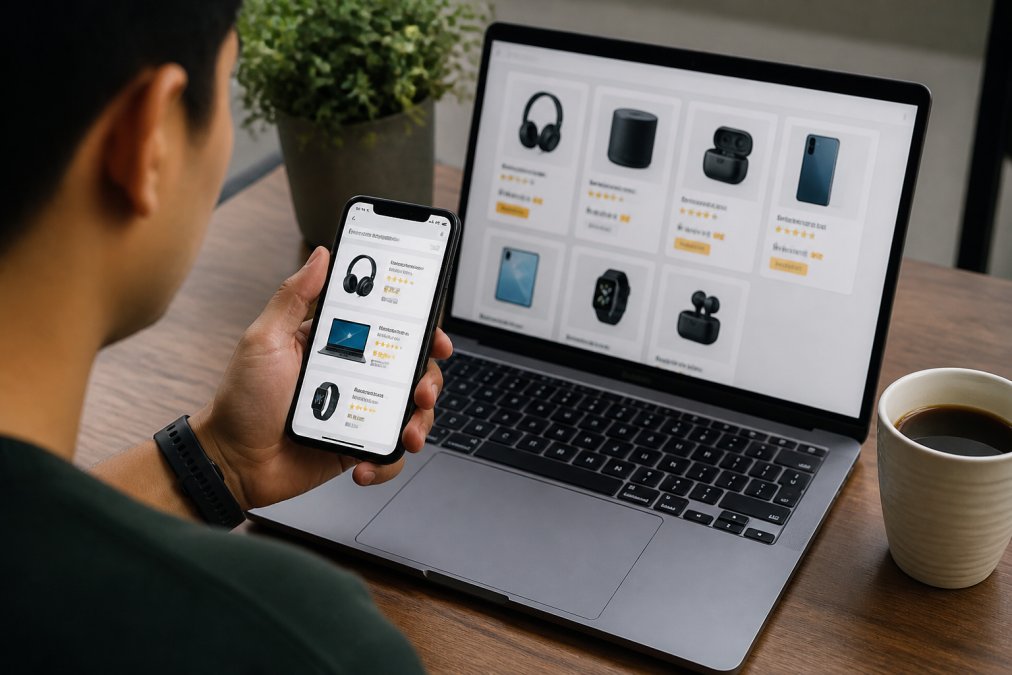
Most price tracking platforms operate by scraping retailer websites every few hours (or in some cases, every few minutes) (the FTC). They store historical price data and compare current prices against baselines. When a price drops below a threshold you set, they send you an alert via email, app notification, or SMS. The speed of these alerts depends on how frequently the platform refreshes data.
The mechanics vary by platform:
- Camelcamelcamel (Amazon-focused) checks prices every few hours and maintains a 10-year price history. Alerts are nearly instantaneous once a price change is detected.
- Honey integrates directly into your browser and checks prices in real time as you shop.
- CamelCamelCamel and similar tools create price history graphs that show seasonal patterns and help you identify whether a “deal” is actually a deal.
- RetailMeNot aggregates coupon codes and deals from multiple sources, updated by community members and retailers.
- SlickDeals and similar community platforms rely on user submissions, so alert speed depends on community activity.
The key limitation is that price tracking tools can only monitor retailers that allow scraping. Some sites block automated access, so you won’t get alerts for those deals. Additionally, price tracking only works for products you’ve already identified. It won’t tell you about deals you don’t know exist.
Real-time price tracking creates a false sense of security. Just because a tool shows a price drop doesn’t mean the deal is available in your region, in your preferred color, or in stock. You still need to verify before purchasing.
How to Find Reliable Tech Deals Without Overpaying
Finding genuine deals requires distinguishing between real discounts and inflated “original prices” designed to make mediocre discounts look better. This is where most shoppers get caught.
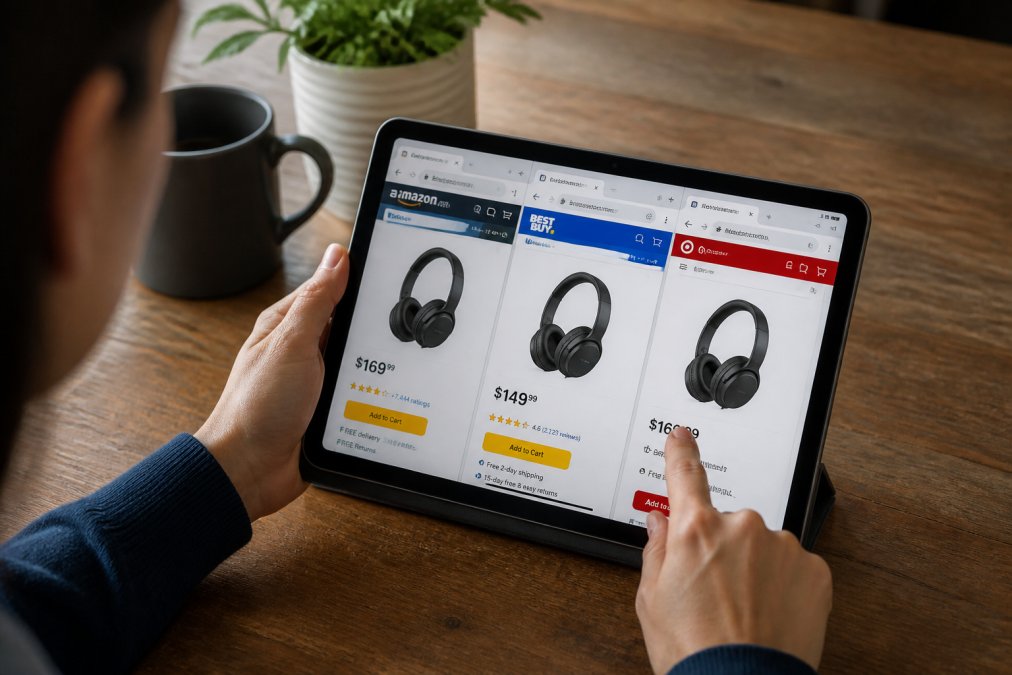
The first step is understanding price anchoring. A retailer lists a product at $599, then “discounts” it to $449. Sounds great, 25% off. But if that product has never actually sold at $599, the discount is fake. You’re not saving $150; you’re paying what it’s always cost, or possibly more.
Verify actual market prices by checking multiple sources:
- Compare across at least three retailers (Amazon, Best Buy, Newegg, B&H Photo). If one retailer’s “original price” is significantly higher than others, that original price is likely inflated.
- Check price history using CamelCamelCamel or similar tools. A product that’s been $449 for six months isn’t getting a real discount at $449 today.
- Look at reviews and ratings. A suspiciously cheap product with few reviews and low ratings is often a refurbished model, a regional variant, or a different SKU than the current standard version.
- Read the fine print. Is it new or refurbished? Is it the international version? Does it include a warranty? A $200 discount on a refurbished item with no warranty isn’t the same as a $200 discount on a new item with full coverage.
At Greenmatrax.com, we focus on identifying products that deliver genuine value, not just low prices. A $300 laptop with poor build quality and slow performance is a bad deal. A $500 laptop that outperforms competitors priced at $700 is a good deal, even if the discount looks smaller.
Common tactics that create fake discounts:
- Inflated MSRPs: Manufacturers list suggested retail prices that retailers never actually charge.
- Bundles: Bundling a popular item with something nobody wants, then discounting the bundle to make it look like a deal on the popular item.
- Color/capacity variants: Discounting an unpopular color or low-capacity version while keeping the popular option at full price.
- Refurbished as new: Selling refurbished products without clearly labeling them, then discounting them as if they’re new.
The most reliable deals come from three sources: clearance of previous-generation products, seasonal sales during predictable shopping events, and legitimate price wars between major retailers competing directly.
Before buying, ask yourself: Would I pay this price if there was no discount label? If the answer is no, it’s probably not a good deal, regardless of the percentage off.
Common Mistakes When Hunting for Tech Discounts
Most shoppers sabotage their own deal-hunting efforts by making predictable mistakes. Recognizing these patterns saves time and money.
Mistake 1: Chasing percentage discounts instead of absolute value. A 40% discount on a $200 item saves $80. A 15% discount on a $1,200 item saves $180. The percentage sounds better, but the absolute savings are what matter. Focus on how much money you’re actually saving, not how impressive the percentage looks.
Mistake 2: Buying because of urgency rather than need. Flash sales create artificial scarcity. “Only 3 left in stock!” “Deal ends in 2 hours!” These tactics work because they bypass rational decision-making. A good rule: if you weren’t planning to buy it before you saw the deal, the deal isn’t the reason to buy it now.
Mistake 3: Ignoring product reviews and return policies. A cheap product that breaks in three months isn’t a deal, it’s a waste. Always check reviews and return policies before purchasing, especially from unfamiliar sellers or third-party marketplaces.
Mistake 4: Assuming older = cheaper. Yes, previous-generation products are usually discounted. But sometimes a one-year-old model at 20% off is worse value than a current-generation model at full price, depending on your needs. Compare actual specifications and performance, not just dates.
Mistake 5: Not accounting for shipping and taxes. A product marked down 25% might have free shipping. Another might have $30 shipping plus sales tax. The final price matters, not the discount percentage.
Mistake 6: Buying from unverified sellers. Marketplace listings often include counterfeit or gray-market products sold by third-party sellers. Verify the seller’s rating, return policy, and whether the product includes a manufacturer warranty.
Mistake 7: Overthinking seasonal timing. Yes, there are optimal times to buy. But waiting six months for a 15% discount on something you need now is often irrational. The opportunity cost of not having the product outweighs the savings.
The psychology of deal-hunting works against you. Retailers know that discounts trigger dopamine responses, the feeling of winning, of getting a bargain. That feeling clouds judgment. The most reliable way to avoid overpaying is to know what you want, know what it’s worth, and buy it when the price matches your research, regardless of how impressive the discount label looks.
Tech deals update constantly, but the patterns are predictable once you understand them. Flash sales refresh every 6-12 hours and exploit urgency. Seasonal discounts follow annual cycles tied to shopping events and product launches. Price tracking tools help, but they only work if you verify prices across multiple sources and distinguish between real discounts and inflated original prices.
Finding genuine value requires patience and skepticism. Don’t chase percentages, focus on absolute savings. Don’t buy because of artificial urgency, buy because you’ve researched the product and confirmed it’s actually a good deal. At Greenmatrax.com, we help you navigate this landscape by curating products and deals that deliver real value, not just low prices. Visit Greenmatrax.com to discover carefully reviewed tech deals updated daily, so you can shop with confidence and save time researching across multiple retailers.
Frequently Asked Questions
What month is the best month to buy electronics?
January and February offer strong discounts as retailers clear holiday inventory. September and October bring deals tied to new product releases. Black Friday and Cyber Monday (late November) remain the year’s largest shopping events. However, the best time depends on what you’re buying: smartphones drop after new models launch, laptops see clearance in summer, and gaming gear discounts peak during holiday seasons. Monitor price history on your target device for 2-3 months to spot the typical low point.
How often do tech deal alert tools update their listings?
Major deal aggregators refresh their feeds every 15 minutes to 2 hours, depending on the platform. Flash sale sites update more frequently, some refresh every 5-30 minutes during peak shopping periods. Individual retailer websites use dynamic pricing that adjusts in real-time based on inventory and demand. Price tracking tools monitor changes continuously but may batch notifications hourly to avoid alert fatigue. The most aggressive deals (doorbusters, limited inventory) can sell out within minutes of posting, so setting up instant notifications for your target products matters more than general update frequency.
Are the discounts shown on deal sites actually real, or inflated original prices?
Legitimate deal platforms cross-reference current prices against historical data to verify genuine markdowns. Red flags include: original prices that appear only once or never, discounts exceeding 70% on popular items, and ‘limited time’ offers that repeat weekly at the same price. Curated platforms like Greenmatrax vet deals by checking manufacturer suggested retail prices and comparing across multiple retailers. Always verify the original price on the manufacturer’s website or Google Shopping before assuming a discount is real. If a deal seems too good to be true, especially on electronics with strong resale value, it usually is.
Should I wait for Black Friday or buy tech deals throughout the year?
Black Friday and Cyber Monday deliver the deepest discounts on a wide range of electronics, but specific products often see better deals at other times. New smartphone models drop 15-25% off within 2-4 weeks of release. Laptops and monitors clear at steeper discounts in summer. If you need a device now, check its price history for the past 3 months, if it’s near the low point, buy. If it’s well above average, waiting 4-8 weeks usually yields a better price. The exception: flagship items with stable pricing rarely drop more than 10-15% outside major shopping events, so waiting may cost you in lost productivity.
This article was written using GrandRanker